

Lethal Weapon 4 (1998)
Lethal Weapon 4
With personal crises and age weighing in on them, LAPD officers Riggs and Murtaugh must contend with a deadly Chinese crime lord trying to get his brother out of prison.
Where to Watch / Official Sites
Trailer
0:00
/
0:00
Lethal Weapon 4 (1998) – Movie Story
Lethal Weapon 4 is a 1998 film built around the following premise: With personal crises and age weighing in on them, LAPD officers Riggs and Murtaugh must contend with a deadly Chinese crime lord trying to get his brother out of prison. The story uses this situation as a starting point for a broader narrative about people facing circumstances that test their judgment, relationships, and ability to adapt. Rather than relying on a single idea, the film develops its world through character decisions, changing pressures, and the consequences that begin to surround the central conflict. This overview remains completely spoiler-free, so it concentrates on the setup, atmosphere, characters, and themes instead of revealing the ending or major surprises.
Story Overview
Lethal Weapon 4 develops its narrative through a combination of character-driven detail and the circumstances introduced at the beginning. The premise — With personal crises and age weighing in on them, LAPD officers Riggs and Murtaugh must contend with a deadly Chinese crime lord trying to get his brother out of prison. — gives the film a clear foundation, but the interest comes from watching the people within that situation respond to uncertainty. Sets the stage for the characters, setting, and central conflict without revealing how the story ultimately resolves. As the story progresses, apparently simple problems can become more complicated because each character carries a different history, priority, or understanding of what is happening. The film therefore gives its central figures room to make decisions rather than simply moving them from one event to another. This creates a sense of progression while preserving the questions that make the story worth following. The surrounding environment also matters, because the setting is not merely a backdrop: it influences what the characters can do, what they fear, and which choices seem possible.
The World of the Story
Lethal Weapon 4 develops its narrative through a combination of character-driven detail and the circumstances introduced at the beginning. The premise — With personal crises and age weighing in on them, LAPD officers Riggs and Murtaugh must contend with a deadly Chinese crime lord trying to get his brother out of prison. — gives the film a clear foundation, but the interest comes from watching the people within that situation respond to uncertainty. Creates a clear sense of place and explains the social, historical, or environmental pressures shaping the characters. As the story progresses, apparently simple problems can become more complicated because each character carries a different history, priority, or understanding of what is happening. The film therefore gives its central figures room to make decisions rather than simply moving them from one event to another. This creates a sense of progression while preserving the questions that make the story worth following. The surrounding environment also matters, because the setting is not merely a backdrop: it influences what the characters can do, what they fear, and which choices seem possible.
The Central Characters
Lethal Weapon 4 develops its narrative through a combination of character-driven detail and the circumstances introduced at the beginning. The premise — With personal crises and age weighing in on them, LAPD officers Riggs and Murtaugh must contend with a deadly Chinese crime lord trying to get his brother out of prison. — gives the film a clear foundation, but the interest comes from watching the people within that situation respond to uncertainty. Focuses on the people at the heart of the narrative, their motivations, relationships, and the qualities that make their choices meaningful. As the story progresses, apparently simple problems can become more complicated because each character carries a different history, priority, or understanding of what is happening. The film therefore gives its central figures room to make decisions rather than simply moving them from one event to another. This creates a sense of progression while preserving the questions that make the story worth following. The surrounding environment also matters, because the setting is not merely a backdrop: it influences what the characters can do, what they fear, and which choices seem possible.
The First Major Challenge
Lethal Weapon 4 develops its narrative through a combination of character-driven detail and the circumstances introduced at the beginning. The premise — With personal crises and age weighing in on them, LAPD officers Riggs and Murtaugh must contend with a deadly Chinese crime lord trying to get his brother out of prison. — gives the film a clear foundation, but the interest comes from watching the people within that situation respond to uncertainty. Explores the circumstances that disturb the characters’ normal lives and force them to respond to a problem they cannot easily ignore. As the story progresses, apparently simple problems can become more complicated because each character carries a different history, priority, or understanding of what is happening. The film therefore gives its central figures room to make decisions rather than simply moving them from one event to another. This creates a sense of progression while preserving the questions that make the story worth following. The surrounding environment also matters, because the setting is not merely a backdrop: it influences what the characters can do, what they fear, and which choices seem possible.
Rising Tension
Lethal Weapon 4 develops its narrative through a combination of character-driven detail and the circumstances introduced at the beginning. The premise — With personal crises and age weighing in on them, LAPD officers Riggs and Murtaugh must contend with a deadly Chinese crime lord trying to get his brother out of prison. — gives the film a clear foundation, but the interest comes from watching the people within that situation respond to uncertainty. Describes how pressure gradually increases as competing goals, dangerous circumstances, personal doubts, or outside forces become harder to manage. As the story progresses, apparently simple problems can become more complicated because each character carries a different history, priority, or understanding of what is happening. The film therefore gives its central figures room to make decisions rather than simply moving them from one event to another. This creates a sense of progression while preserving the questions that make the story worth following. The surrounding environment also matters, because the setting is not merely a backdrop: it influences what the characters can do, what they fear, and which choices seem possible.
Relationships and Choices
Lethal Weapon 4 develops its narrative through a combination of character-driven detail and the circumstances introduced at the beginning. The premise — With personal crises and age weighing in on them, LAPD officers Riggs and Murtaugh must contend with a deadly Chinese crime lord trying to get his brother out of prison. — gives the film a clear foundation, but the interest comes from watching the people within that situation respond to uncertainty. Examines the human connections that give the story emotional weight, while keeping important developments and outcomes concealed. As the story progresses, apparently simple problems can become more complicated because each character carries a different history, priority, or understanding of what is happening. The film therefore gives its central figures room to make decisions rather than simply moving them from one event to another. This creates a sense of progression while preserving the questions that make the story worth following. The surrounding environment also matters, because the setting is not merely a backdrop: it influences what the characters can do, what they fear, and which choices seem possible.
Themes and Atmosphere
Lethal Weapon 4 develops its narrative through a combination of character-driven detail and the circumstances introduced at the beginning. The premise — With personal crises and age weighing in on them, LAPD officers Riggs and Murtaugh must contend with a deadly Chinese crime lord trying to get his brother out of prison. — gives the film a clear foundation, but the interest comes from watching the people within that situation respond to uncertainty. Looks at ideas such as survival, loyalty, identity, courage, freedom, responsibility, love, war, justice, or resilience as appropriate to the story. As the story progresses, apparently simple problems can become more complicated because each character carries a different history, priority, or understanding of what is happening. The film therefore gives its central figures room to make decisions rather than simply moving them from one event to another. This creates a sense of progression while preserving the questions that make the story worth following. The surrounding environment also matters, because the setting is not merely a backdrop: it influences what the characters can do, what they fear, and which choices seem possible.
The Journey Forward
Lethal Weapon 4 develops its narrative through a combination of character-driven detail and the circumstances introduced at the beginning. The premise — With personal crises and age weighing in on them, LAPD officers Riggs and Murtaugh must contend with a deadly Chinese crime lord trying to get his brother out of prison. — gives the film a clear foundation, but the interest comes from watching the people within that situation respond to uncertainty. Explains how the characters become increasingly committed to their goals and why the stakes continue to grow, without discussing the ending. As the story progresses, apparently simple problems can become more complicated because each character carries a different history, priority, or understanding of what is happening. The film therefore gives its central figures room to make decisions rather than simply moving them from one event to another. This creates a sense of progression while preserving the questions that make the story worth following. The surrounding environment also matters, because the setting is not merely a backdrop: it influences what the characters can do, what they fear, and which choices seem possible.
What Makes the Story Engaging
Lethal Weapon 4 develops its narrative through a combination of character-driven detail and the circumstances introduced at the beginning. The premise — With personal crises and age weighing in on them, LAPD officers Riggs and Murtaugh must contend with a deadly Chinese crime lord trying to get his brother out of prison. — gives the film a clear foundation, but the interest comes from watching the people within that situation respond to uncertainty. Highlights the film’s balance of character, conflict, setting, suspense, emotion, or action and why the premise remains compelling. As the story progresses, apparently simple problems can become more complicated because each character carries a different history, priority, or understanding of what is happening. The film therefore gives its central figures room to make decisions rather than simply moving them from one event to another. This creates a sense of progression while preserving the questions that make the story worth following. The surrounding environment also matters, because the setting is not merely a backdrop: it influences what the characters can do, what they fear, and which choices seem possible.
A Spoiler-Free Look at the Film
Lethal Weapon 4 develops its narrative through a combination of character-driven detail and the circumstances introduced at the beginning. The premise — With personal crises and age weighing in on them, LAPD officers Riggs and Murtaugh must contend with a deadly Chinese crime lord trying to get his brother out of prison. — gives the film a clear foundation, but the interest comes from watching the people within that situation respond to uncertainty. Brings the major story elements together and gives readers a useful sense of what to expect while deliberately avoiding the final outcome, major deaths, or twists. As the story progresses, apparently simple problems can become more complicated because each character carries a different history, priority, or understanding of what is happening. The film therefore gives its central figures room to make decisions rather than simply moving them from one event to another. This creates a sense of progression while preserving the questions that make the story worth following. The surrounding environment also matters, because the setting is not merely a backdrop: it influences what the characters can do, what they fear, and which choices seem possible.
Final Perspective
At its core, Lethal Weapon 4 is a story about people confronting a situation that demands more from them than they initially expect. Its appeal comes from the interaction between the central premise, the personalities involved, and the atmosphere created by the setting. Viewers can expect a narrative that develops its conflict gradually, gives its characters meaningful obstacles, and uses the circumstances around them to explore broader human ideas. This description intentionally stops before the final outcome and avoids major twists, deaths, or revelations, allowing the film’s most important discoveries to remain part of the viewing experience. For anyone looking for an English-language movie story that explains the premise and narrative direction without spoilers, Lethal Weapon 4 offers a distinctive combination of character, conflict, atmosphere, and thematic depth.
Cast

Mel GibsonMartin Riggs
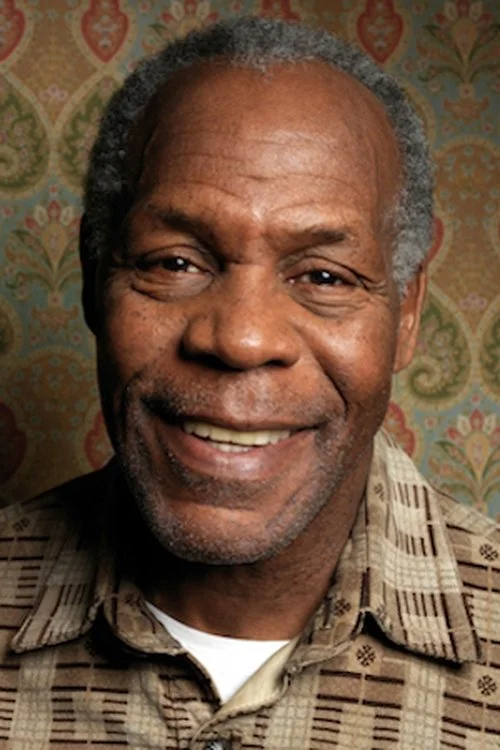
Danny GloverRoger Murtaugh

Joe PesciLeo Getz

Rene RussoLorna Cole

Chris RockDet.Lee Butters

Jet LiWah Sing Ku

Steve KahanCaptain Murphy

Kim ChanBenny Chan

Darlene LoveTrish Murtaugh

Traci WolfeRianne Murtaugh

Eddy Ko HungHong

Jack KehlerState Department Man

Calvin JungDetective Ng

Damon HinesNick Murtaugh

Ebonie SmithCarrie Murtaugh

Mary Ellen TrainorDr. Stephanie Woods
Steven LamPing

Michael ChowBenny's Assistant
Tony KeyesNg's Partner

Richard RiehleINS Agent